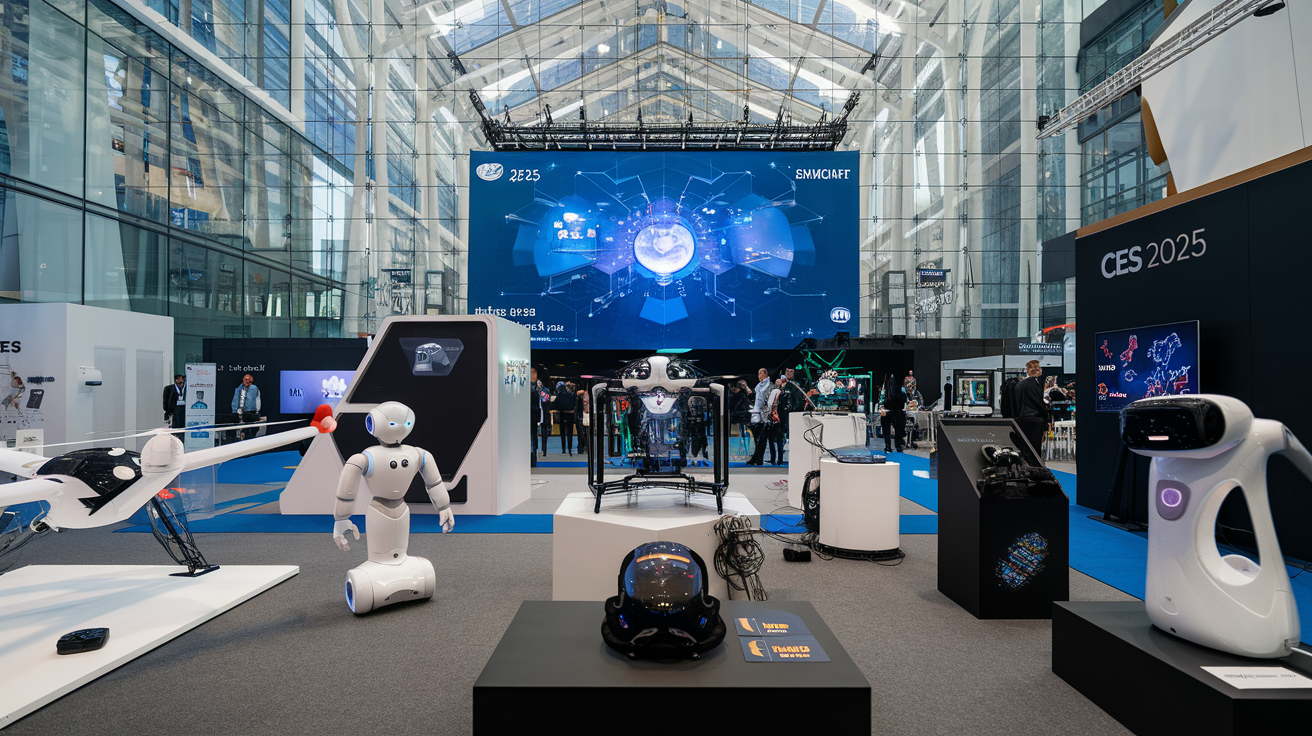
From autonomous and connected vehicles to advancements in air transport, technology has transformed the way we experience mobility. Where automakers, tech companies, and mobility services define the future of transport.

In June 1967, on a sweltering summer day in New York City, 117 exhibitors crowded into the New York Hilton and Americana hotels, showcasing transistor radios, stereos, and small black-and-white televisions. No one could have predicted that this modest industry gathering—a spinoff from the Chicago Music Show—would evolve over half a century into the "Spring Festival Gala" of the global technology world.
That year, Motorola Chairman Bob Galvin took the keynote stage at the inaugural CES, addressing an audience of just 17,500. The most notable exhibits were solid-state electronic devices and products from Japanese manufacturers making their first major push into the U.S. market.
The 1970s witnessed the birth of the home VCR—Philips introduced the N1500 videocassette recorder, bringing broadcast-level technology previously costing upwards of $50,000 into ordinary households. In 1974, a robot greeted attendees on the show floor for the first time. 1977 saw the public debut of the Atari 2600 gaming console, ushering in a new era of home entertainment. By 1978, CES had permanently established its winter show in Las Vegas, forever linking this desert gambling city with the pulse of global technological innovation.
The 1980s brought CD players, the Commodore 64, and the Nintendo Entertainment System (NES) to CES stages. The 1990s witnessed the debut of DVD, high-definition television, and Microsoft's Xbox, gradually transforming CES from an industry trade show into a global media spectacle.
As the new millennium unfolded, CES's boundaries expanded dramatically. Plasma displays, Blu-ray Discs, 3D HDTVs, smartphones, tablets, drones, virtual reality, autonomous vehicles, 5G wireless, the Internet of Things, and 8K Ultra HD televisions—every technological wave of each decade left its first ripple here.
In 2015, the organizing body rebranded from the Consumer Electronics Association (CEA) to the Consumer Technology Association (CTA)—a change that precisely captured the industry's evolution. CES was no longer just a showcase for TVs, stereos, and cameras; it became a stage where BMW, Ford, John Deere, and Impossible Foods demonstrated technology's cross-industry penetration. Technology had infiltrated every sector.
2021 brought unprecedented challenges as CES went fully virtual for the first time in its 50+ year history due to the COVID-19 pandemic. But by January 2026, CES roared back with remarkable resilience: 148,000 attendees, 4,100 exhibitors, and 2.6 million net square feet of exhibition space—the strongest post-pandemic edition yet. Over 55,000 international visitors traveled to Las Vegas from more than 150 countries and regions. Eureka Park, the dedicated startup zone launched in 2012 with just 94 companies, has surged to 1,230 startups—a 13-fold increase.
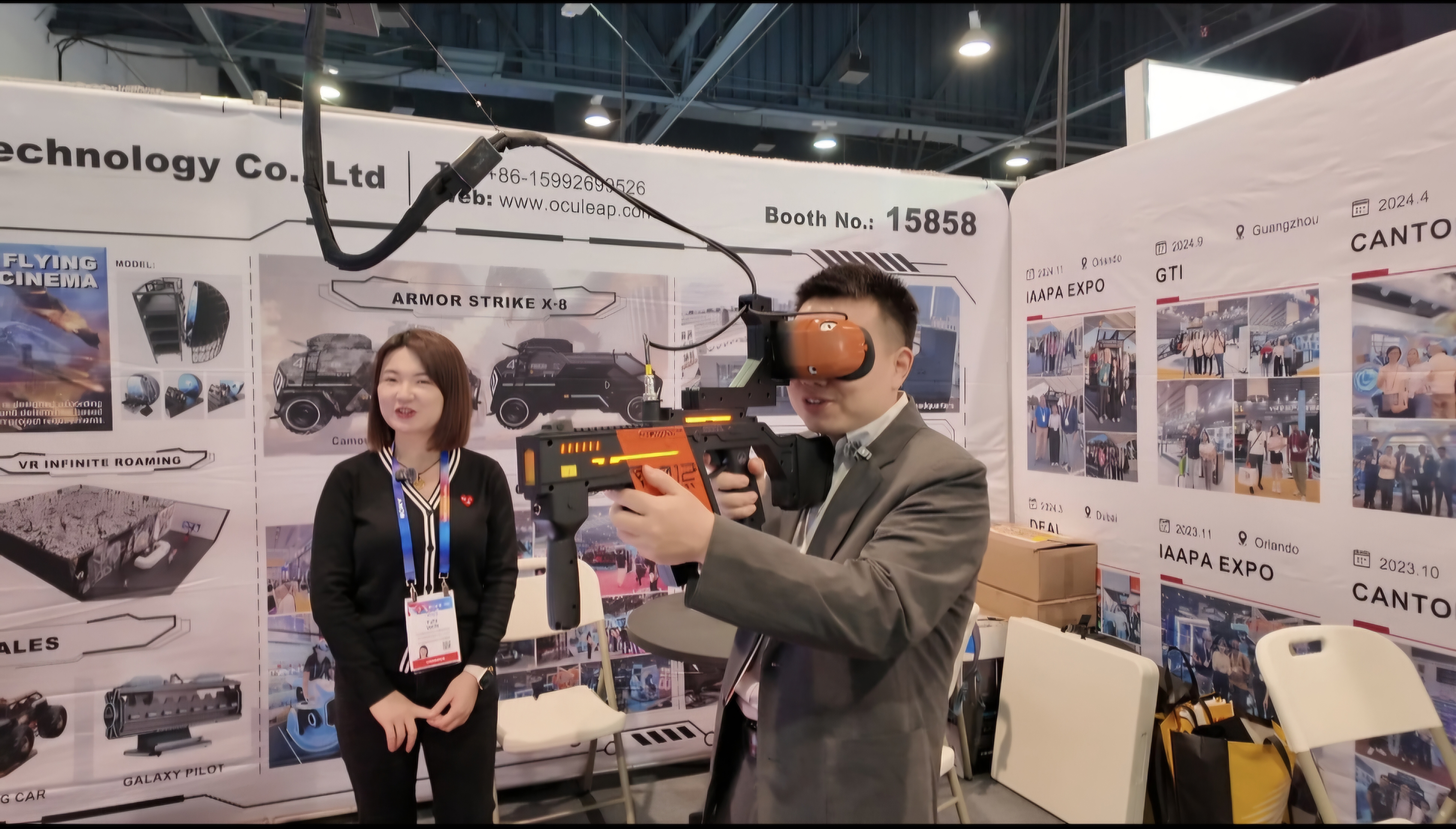
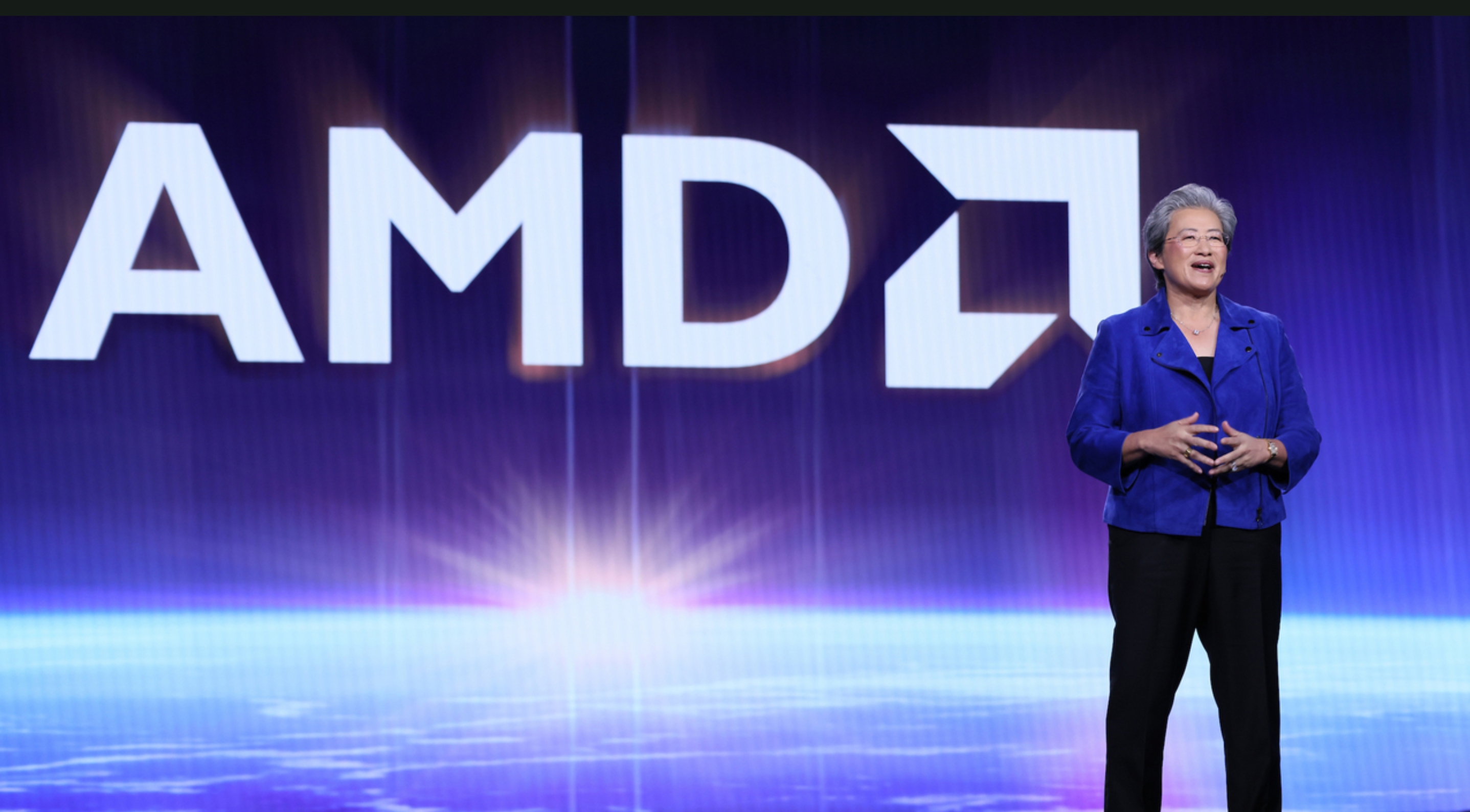
CES 2026 embraced the theme "Defining the Physical Boundaries of AI." Artificial intelligence is no longer merely algorithms on screens; it is entering the physical world through humanoid robots, smart cockpits, and companion devices. At the show, over half of all humanoid robotics exhibitors came from Chinese companies. Unitree Robotics hosted robot sparring matches; Lenovo gathered CEOs from NVIDIA, AMD, Intel, and Qualcomm on the same stage at the Sphere venue; Hisense provided technical support for the FIFA World Cup for the fourth consecutive time—scenes that collectively illustrate the trajectory of Chinese technology evolving from "participating" to "defining."
From 117 exhibitors in a New York hotel in 1967 to 4,100 global companies spanning 2.6 million square feet at the Las Vegas Convention Center in 2026, nearly six decades have transformed CES from an industry gathering into the world's innovation barometer. It has witnessed the rise and fall of countless technological waves and accompanied countless startups on their journey to becoming industry titans. As CTA CEO Gary Shapiro observed, CES showcases "technologies that will define the next decade of economic growth and competitiveness."



From autonomous and connected vehicles to advancements in air transport, technology has transformed the way we experience mobility. Where automakers, tech companies, and mobility services define the future of transport.
Explore the latest advancements in AI, IoT, telehealth, and digital health solutions. These groundbreaking technologies are reshaping healthcare delivery, improving patient outcomes, and enhancing operational efficiency.
Transforming industries, opening up new capabilities, enhancing efficiencies. From machine learning to generative AI, this zone showcases how artificial intelligence is already enhancing our lives in profound ways—with seemingly limitless possibilities for the future.
Discover how advancements like AI assistants, smart home devices, voice activation, and inclusive design are enhancing the lives of people with different abilities, making technology accessible to everyone.
From 8K UHD TVs to immersive sound systems, audio and video innovations create the ultimate home entertainment experience for consumers. This zone brings together the latest products and technologies from the world's leading audiovisual brands.
Explore the robotics technologies improving safety, putting sustainability goals within reach, and ultimately creating a better world. From industrial arms to service bots—the future of robotics.
Bringing together various consumer electronics accessories, including phone cases, charging devices, audio accessories, cables, mounts, and other peripherals that enhance user experience.
Showcasing core technologies that connect everything, including smart sensors, IoT platforms, industrial IoT solutions, and data collection and analysis systems.
Leveraging innovation in IoT, 5G, AI, and more, governments and private citizens are working together to enhance the way we live. Discover smarter, more livable cities and communities.


The Consumer Technology Association (CTA)® is North America's largest technology trade association, representing the U.S. consumer technology industry with a market size of nearly $500 billion and supporting more than 18 million American jobs .
Originally founded in 1924 as the Consumer Electronics Association (CEA), the organization rebranded to the Consumer Technology Association (CTA) in 2015 to better reflect the rapid evolution and expanding boundaries of the tech industry . This name change acknowledged the profound transformation in membership—expanding beyond traditional hardware manufacturers to include software, platform, and service-based companies such as BMW, Google, Uber, Netflix, and Pandora, touching nearly every aspect of consumers' lives .
Today, CTA represents more than 2,200 technology companies, of which 80% are small businesses and startups, while the remainder are among the world's best-known brands . The association provides its members with policy advocacy, market research, technical education, industry promotion, standards development, and business and strategic relationship building .
CTA is perhaps best known as the owner and producer of CES®—the world's most powerful tech event . CES serves as the proving ground for breakthrough technologies and global innovators, bringing together the entire tech ecosystem. Profits from CES are reinvested into CTA's industry services, creating a virtuous cycle that supports the industry's growth .
From a radio manufacturers association to the Consumer Electronics Association, and now the Consumer Technology Association, CTA has spent a century at the forefront of innovation—advocating for the industry, advancing technology, and helping innovators shape the future.


From autonomous and connected vehicles to advancements in air transport, technology has transformed the way we experience mobility. Where automakers, tech companies, and mobility services define the future of transport.
Explore the latest advancements in AI, IoT, telehealth, and digital health solutions. These groundbreaking technologies are reshaping healthcare delivery, improving patient outcomes, and enhancing operational efficiency.
Transforming industries, opening up new capabilities, enhancing efficiencies. From machine learning to generative AI, this zone showcases how artificial intelligence is already enhancing our lives in profound ways—with seemingly limitless possibilities for the future.


The Consumer Technology Association (CTA)® is North America's largest technology trade association, representing the U.S. consumer technology industry with a market size of nearly $500 billion and supporting more than 18 million American jobs .
Originally founded in 1924 as the Consumer Electronics Association (CEA), the organization rebranded to the Consumer Technology Association (CTA) in 2015 to better reflect the rapid evolution and expanding boundaries of the tech industry . This name change acknowledged the profound transformation in membership—expanding beyond traditional hardware manufacturers to include software, platform, and service-based companies such as BMW, Google, Uber, Netflix, and Pandora, touching nearly every aspect of consumers' lives .
Today, CTA represents more than 2,200 technology companies, of which 80% are small businesses and startups, while the remainder are among the world's best-known brands . The association provides its members with policy advocacy, market research, technical education, industry promotion, standards development, and business and strategic relationship building .
CTA is perhaps best known as the owner and producer of CES®—the world's most powerful tech event . CES serves as the proving ground for breakthrough technologies and global innovators, bringing together the entire tech ecosystem. Profits from CES are reinvested into CTA's industry services, creating a virtuous cycle that supports the industry's growth .
From a radio manufacturers association to the Consumer Electronics Association, and now the Consumer Technology Association, CTA has spent a century at the forefront of innovation—advocating for the industry, advancing technology, and helping innovators shape the future.